Will Pak Disintegrate If Iran’s Islamic Government falls? Experts Warn Against chaos & Border Spillover (Canva)
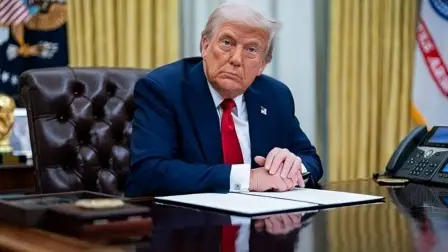
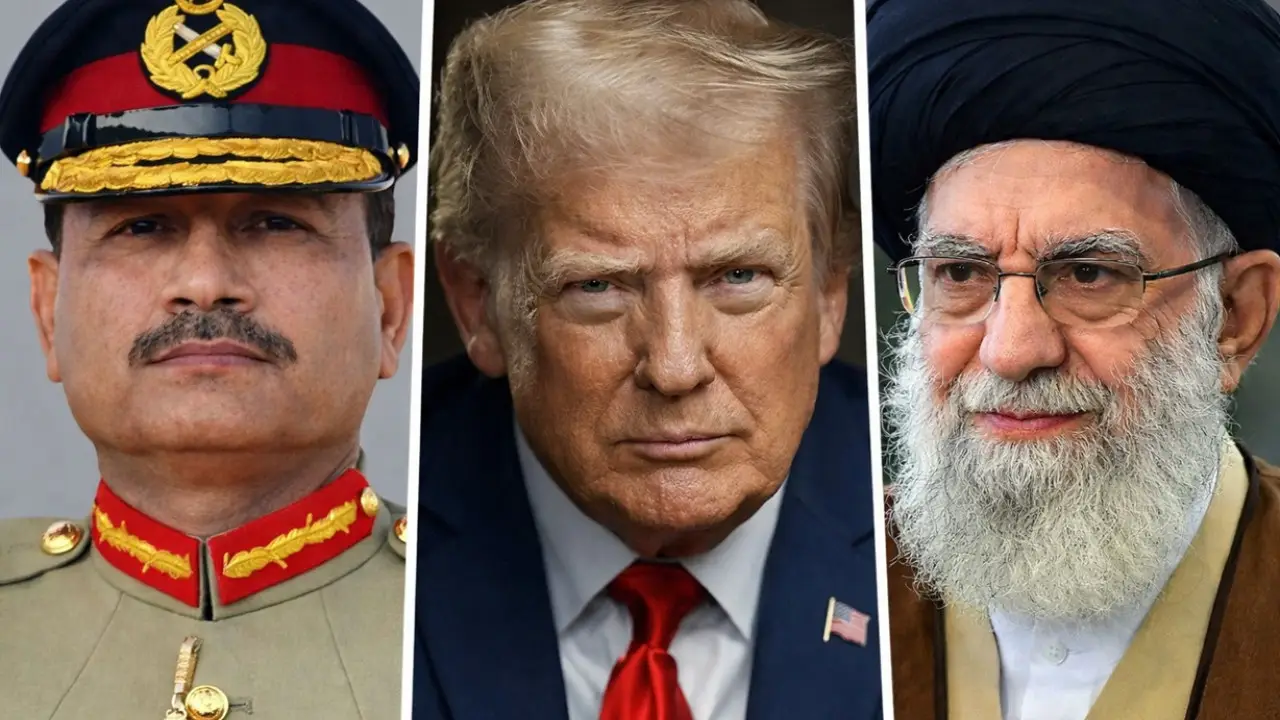
Islamabad: In June last year, when there was a meeting between former US President Donald Trump and Pakistan's Field Marshal Asim Munir, the situation in West Asia was very delicate. Tension between Iran and Israel was at its peak and there was talk at the international level that there could be an attempt at regime change in Iran with America's support. Pakistani newspaper The Tribune later claimed that during this meeting, important discussions were held regarding Iran, the effect of which was visible in the coming days.
According to the Tribune report, there were whispers in diplomatic circles at that time that Israel could increase pressure on Iran with the support of America. This pressure was being reported not only at the military but also at the political level. It was believed that its objective could be to change the balance of power in Tehran.
Just days after the meeting, Iran launched a limited and symbolic attack on a US military base in Qatar. Despite this attack, America did not retaliate on a large scale. Donald Trump decided to ignore that attack. With this the 12-day conflict between Iran and Israel ended.
The Tribune indicated that Asim Munir had at that time advised Trump not to topple the Iranian government. According to the report, Pakistan feared that such a step would destabilize the entire region. This was the reason why America did not attack Iran again.
Islamabad-based sources say that Pakistan considers the change in Iran dangerous for itself. There is an approximately 900 km long border between Pakistan and Iran. This border is connected to Balochistan, the most troubled province of Pakistan. Instability in Iran can have a direct impact on this area.
Iran's Sistan-Baluchistan province has deep ties to the Baloch regions of Pakistan. These include ethnic, tribal and linguistic relationships. Experts believe that turmoil in Iran could activate cross-border terrorist networks. The danger of an increase in arms smuggling and violence has also been expressed.
Pakistani defense experts say that the situation may worsen due to spread of anarchy in Iran. Pakistan's anti-terrorism successes so far in Balochistan may be in jeopardy. The fear of separatist groups getting new strength has also been expressed.
Pakistan is already bearing the burden of millions of Afghan refugees. If a civil war-like situation develops in Iran, a new wave of refugees may come. This may cause border management to fail. Urban infrastructure and social services may come under pressure.
Pakistan is already running on the support of an IMF loan. The economic situation could worsen due to the refugee crisis and security costs. Former Foreign Secretary Johar Salim warned that Western interference would make the situation worse.
Pakistani experts believe that it is very important for Iran to remain stable. According to him, the fall of Iran's government would be a strategic disaster for Pakistan. This could have a long-term impact on border security, regional balance and diplomatic credibility.





Copyright © 2026 Top Indian News